'/%3e%3cdefs%3e%3clinearGradient%20id='prefix__paint0_linear_4737_37157'%20x1='3.018'%20y1='23.6'%20x2='44.925'%20y2='24.977'%20gradientUnits='userSpaceOnUse'%3e%3cstop%20stop-color='%231CB7FF'/%3e%3cstop%20offset='.502'%20stop-color='%232FF58B'/%3e%3c/linearGradient%3e%3c/defs%3e%3c/svg%3e)


Arsene Wenger Q&A: Arsenal icon reveals secret to Mikel Arteta success and gives Champions League final prediction
May 27 2026 09:08 · By John Cross/Chief Football Writer · 126 Reads


Arsene Wenger is the last manager to take Arsenal to a Champions League final - and would love to see this generation win the trophy for the first time in the club’s history.
Here, Wenger, FIFA Chief of Global Football Development, tells UEFA about memories of 2006, his pride in seeing Mikel Arteta , his passion for Arsenal and why the club will always be in his heart.
Q: Arsène, firstly, I’ll take you back to the UCL semi-final and your feelings watching that. Take us into your mind at that moment.
Arsène Wenger: Well, when you go to the semi-final, you always have the fear that you go out just before you reach that possibility to get the trophy, and thats atrocious. But I believe in the semi-final, Arsenal controlled the two games well and were superior to Atlético Madrid. You have, basically, two competitions in the Champions League: one where it’s a championship and then when it becomes a knockout stage. The knockout stage can lean more in favour of one side than the other, but once you’re in the semi-final, you still have to knock out the team you’re playing against.
What helps as well now is that the away-goals rule has been removed. Before, the team playing at home in the first leg would always think, ‘Let’s not concede a goal.’ We saw how much influence that had on the way teams approached the game. Now you see two good games because teams go for it from the start and try to make the difference. It helps the quality of the competition a lot.
FOLLOW OUR ARSENAL FB PAGE! Latest Gunners news and more on our dedicated Facebook page
Q: Two different semi-finals, as you say. How do you think Arsenal performed, particularly in the second leg?
Arsène Wenger: They controlled the game. I always felt that if needed, even if it went to extra time, Arsenal would win it in the end. They were just superior in quality. Both teams were well organised, compact, focused and committed, but Arsenal had a bit more creative potential and more goal-scoring opportunities.
Q: From a personal point of view, how pleased were you to see them make that final step?
Arsène Wenger: I want this trophy to go to the Emirates because it’s missing there. We touched it before — we were thirteen minutes away from winning it — so you want it to happen this time. I’ve always said that you work in a club to make sure it’s in a good position to continue to progress. Overall, I believe this is a stage where we can grab it. I still believe it’s fifty-fifty in the final, and if I had to bet, I would bet on Arsenal more than on Paris Saint-Germain.
Q: We’ll return to that later, but I’d like to touch on your relationship with Mikel Arteta. He called you an inspiration who taught him the values of the club. How would you describe your connection with Mikel?
Arsène Wenger: He was a player who was highly focused, motivated, interested in team play and very football-obsessed, like many Spanish players are. Now we also have Cesc Fàbregas going into management. Especially midfielders often love this job because they are in the centre of offensive and defensive problems. Overall, top-level players are intelligent and many of them have the ingredients to become managers.
Arteta had total commitment in him. I named him captain because he was always very serious. He had injury problems, especially with his calves, and sometimes when players are away from the game they realise how much they love it and want to stay in it. He had personality, strong beliefs and authority, and that certainly helps him a lot now.
View 4 Images
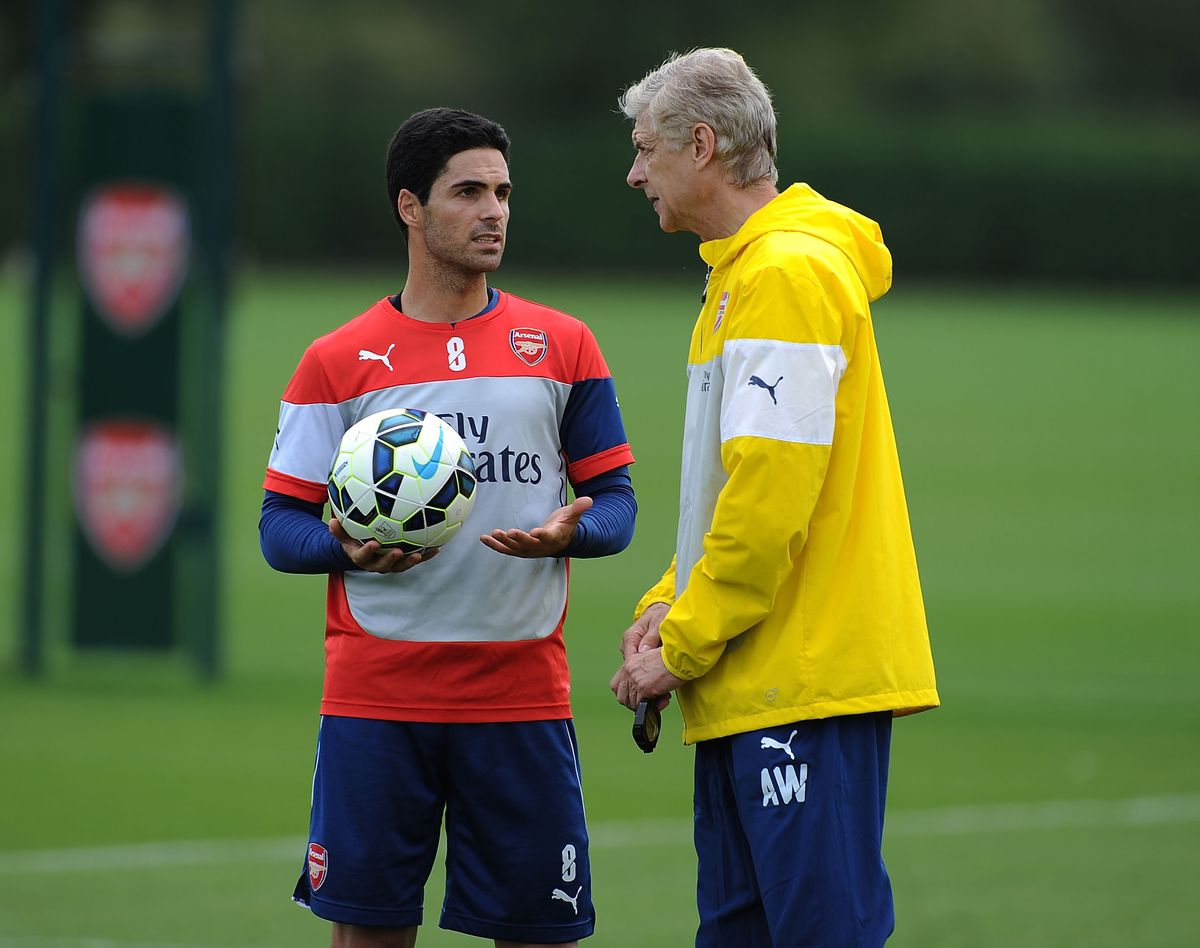
Q: He has mentioned that you spoke a lot about him potentially becoming a coach after his playing career. What were those conversations like?
Arsène Wenger: They were more about how we should play and what he felt on the pitch. Players always know what the problems of a team are — they do not always tell you, but they know. He had the character to talk about it, and then he decided to do his coaching licences. Many players fail because they do not take time to learn the job, but he did. He became Pep Guardiola ’s assistant, which was a great experience for him. He learned a lot quickly because he’s intelligent. He experienced football first as a player and then from the inside as an assistant manager without having the full responsibility, and that helps a lot.
Stan Kroenke also decided to invest heavily once he became 100% owner of Arsenal, and the club bought the right players and top players. That’s why Arsenal now have a very big squad and can compete at the top level. And I give credit to Arteta for keeping everybody focused and motivated. That’s not easy with such a big squad.
Q: Despite the changes in the Premier League , do you still see continuity between your teams and Arteta’s Arsenal?
Arsène Wenger: Yes. There is continuity in the spirit — the united spirit of the team. Every player is disciplined and respects the values of the club: to give their best and play collectively. Football has evolved and become more structured and disciplined, but Arsenal’s players do that very well.
Q: How would you describe the differences between the 2006 Arsenal team that reached the Champions League final and this one?
Arsène Wenger: In 2004 we were invincible, and by 2006 the team was a bit younger, but we still had a very strong side. We knocked out the Galácticos at Real Madrid and Juventus , who were financially very strong at the time. We reached the final against Barcelona unbeaten in the knockout stages. One regret was that we couldn’t get to the stadium on time. We arrived only 45 minutes before kick-off because we weren’t allowed to use the motorway to get to the Stade de France. The biggest regret was that we played with ten men for 70 minutes. We were 1–0 up and had chances to make it 2–0, but we missed them and eventually lost 2–1 against a top Barcelona team. The regret is still there, but this time we will come back and win it.
Q: From your perspective, what is it like to manage a team in a Champions League final?
Arsène Wenger: A final is a final. The most important thing is that your team is not inhibited or impressed by the occasion and continues to focus on what it does well. This Arsenal team’s main strength is their ability to keep a clean sheet, and in a final that is very important. Then you have to be efficient. Your moment will come in the game and you have to be ruthless. I’ve played many finals and it’s similar to any cup final. You have to express your qualities and not be fazed by the occasion.
Paris Saint-Germain have huge attacking potential, but Arsenal also have individual quality and are very strong on set pieces, which can have a huge influence in a final. Once you are 1–0 up, everything starts to play to your strengths when you are strong defensively. Arsenal can always be dangerous.
View 4 Images
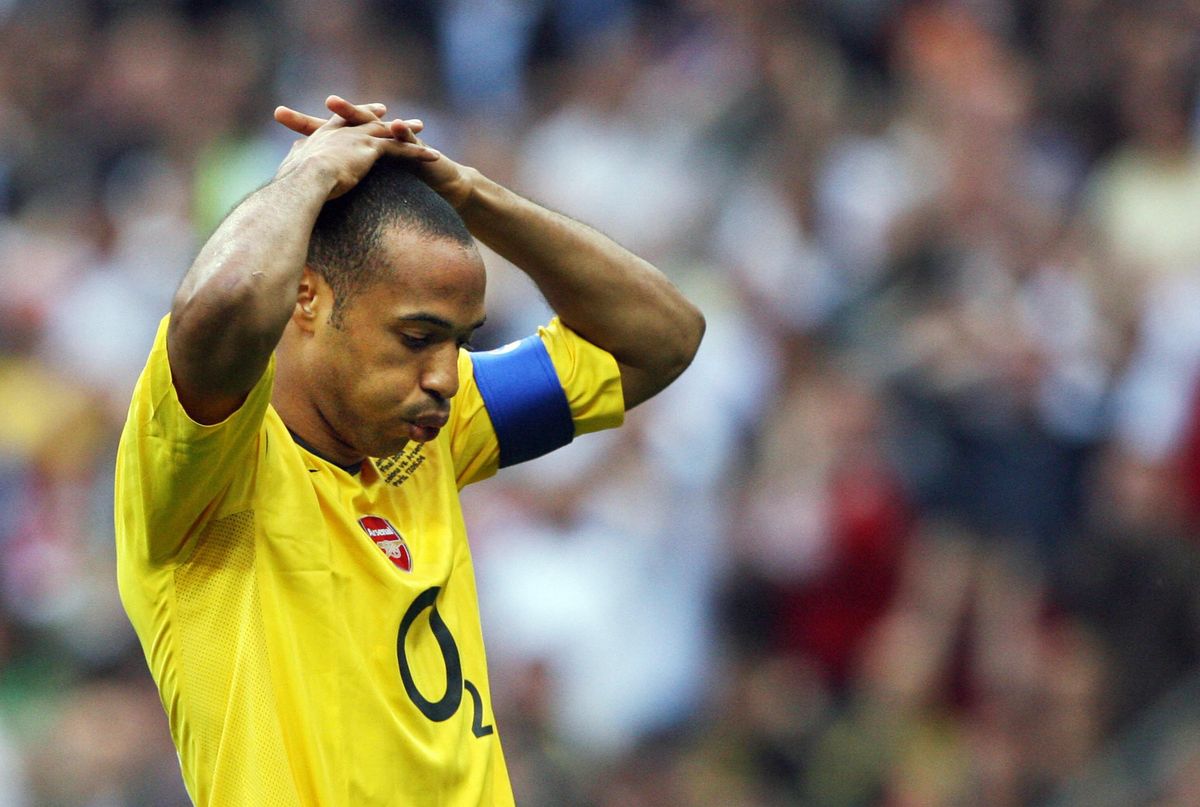
Q: Did you feel your 2006 team was emotionally ready for the final?
Arsène Wenger: Yes. We played the game we expected to play, but we had ten men. In the last 20 minutes, some players who had been injured before dropped physically, and in the end we lost. You always live with thoughts about what you could have done differently, but you also know that if you replayed it 20 years later, maybe the same thing would happen again. You live more with what you have not done than with what you have done. Hopefully it will be done now. I always tried to leave the club in a strong position for the people who came after me. When I left, the financial situation was strong and there were resources to continue building the club.
Q: Looking back at your legacy, how do you assess the job Mikel Arteta has done since taking over what is effectively your legacy?
Arsène Wenger: He has done well. He has created discipline and great spirit in the team. You also have to give credit to the club because they were patient and invested a lot. The club showed great faith in him and gave him the financial resources to achieve his ambitions. Arteta has never shown doubt or weakness in what he’s doing. Leaders must show consistency and strength in their beliefs, and he has done that.
Q: Are you proud of your role in setting the club up for him?
Arsène Wenger: I always worked with three major ambitions. The first was to take the club to a higher level and generate values so the club would be loved and recognised around the world . The second was to create a philosophy of play and results. The third was to influence people’s lives positively. But the club itself was always the priority. That’s why I accepted working with fewer resources while we built the stadium.
Q: The club built a statue for you. What did that recognition feel like?
Arsène Wenger: The values you generate at a club are vital. People identify with a club because of the values it represents. I’m grateful that people and the club acknowledged that. That’s why I always say to young coaches: focus on the values you want to create and how you want the club to be identified.
Q: Do you watch Arsenal now as a fan?
Arsène Wenger: Yes. You support them emotionally, but you also analyse the game technically. Of course, my link with the club is very strong. I wrote a book called My Life in Red and White. I gave my total energy to Arsenal and you cannot detach yourself from that. It’s my club in my heart and that will never change.
View 4 Images
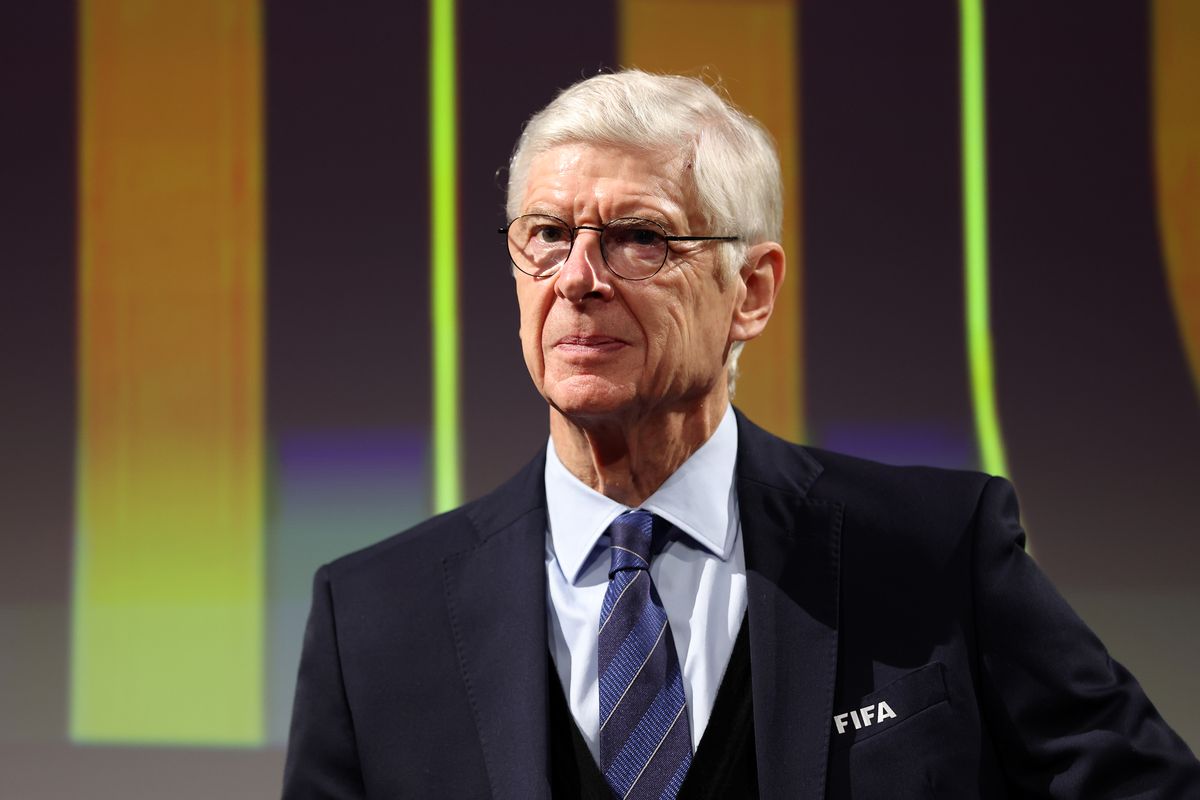
Q: How proud and happy would you be to see Arsenal lift the Champions League trophy?
Arsène Wenger: I feel the club deserves it, this season deserves it and the consistency of the team deserves it. When I arrived at Arsenal, the club had very little Champions League history. Then we had 20 consecutive years of qualification, and now the crown of that history would be to become champions. I think Arsenal have slowly built a history that now allows them to win it. I also feel the time has come for Arsenal to dominate the Premier League consistently.
Q: Would you have any words for Mikel Arteta before the game?
Arsène Wenger: Do what you usually do and try to be relaxed, even though I know that’s impossible. Instil strong belief in your team. He knows how to do that. He knows the players better than I do. Keep the togetherness the team has shown all season and that will be enough.
Q: Finally, will you be relaxed watching the game?
Arsène Wenger: Maybe not relaxed, but I’m very keen to see Arsenal play in the final and I’m convinced we will have a great game.